Introduction
Crisis management is a cornerstone of public relations for protecting a brand’s reputation during difficult times. Natural disasters and social media firestorms are examples of possible crises in today’s corporate landscape. The art of crisis management is not just about surviving the storm, but also about emerging stronger and more resilient on the other side.
Understanding the Basics
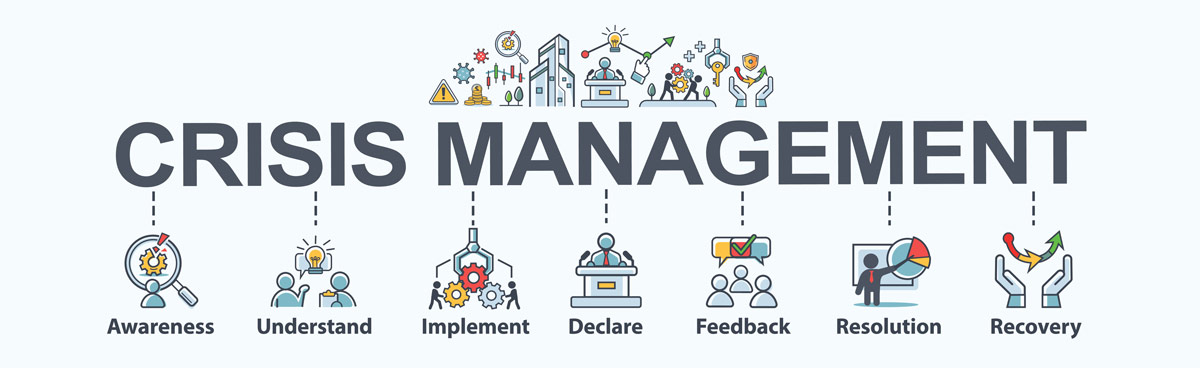
Crisis management in public relations is fundamentally about readiness, response, and recovery. A robust crisis communication plan should be in place well before a crisis occurs. This strategy often includes risk assessment, role definition, communication tactics, and processes for rapid action.
Why Does Your Businesses Need Crisis Management?
In today’s dynamic and linked corporate landscape, the possibility of a crisis arising from many sources such as natural disasters, industrial accidents, cyber-attacks, public health emergencies, and more is always there. These events can have a far-reaching influence, resonating across organisations and communities and leaving lasting consequences in their aftermath. Operations disruptions, life-threatening situations, infrastructure damage, and tarnished reputations are just a few of the negative consequences that might occur.
In the lack of comprehensive crisis management strategies, organisations may find themselves unprepared to respond quickly and effectively, compounding the crisis’s implications. Prolonged downtime, major financial losses, regulatory noncompliance, and long-term damage to their brand image are some of the potential implications that can devastate organisations following a crisis.
Companies, on the other hand, may demonstrate their unshakable commitment to proactive risk mitigation and stakeholder protection by investing in effective crisis management techniques. Such approaches not only strengthen organisational resilience, but also build trust and confidence among customers, employees, investors, and the general public.
The Advantages of Crisis Management
Individuals who take risk management steps learn how to predict and respond quickly to disasters. Taking necessary steps about crisis communication, command and control structures, decision-making procedures, and stress management approaches.
Companies may reduce the impact of calamities and promote a coordinated response to protect lives and assets by developing a culture of readiness. Furthermore, these steps ensure that professionals in businesses meet severe regulatory criteria.
Furthermore, risk management fosters organisational resilience by encouraging proactive risk assessment, scenario planning, and the creation of solid emergency response plans. This strategy aids in the identification of potential vulnerabilities and the implementation of effective mitigation plans, enhancing businesses’ capacity to navigate crises, minimise interruptions, and recover more rapidly.
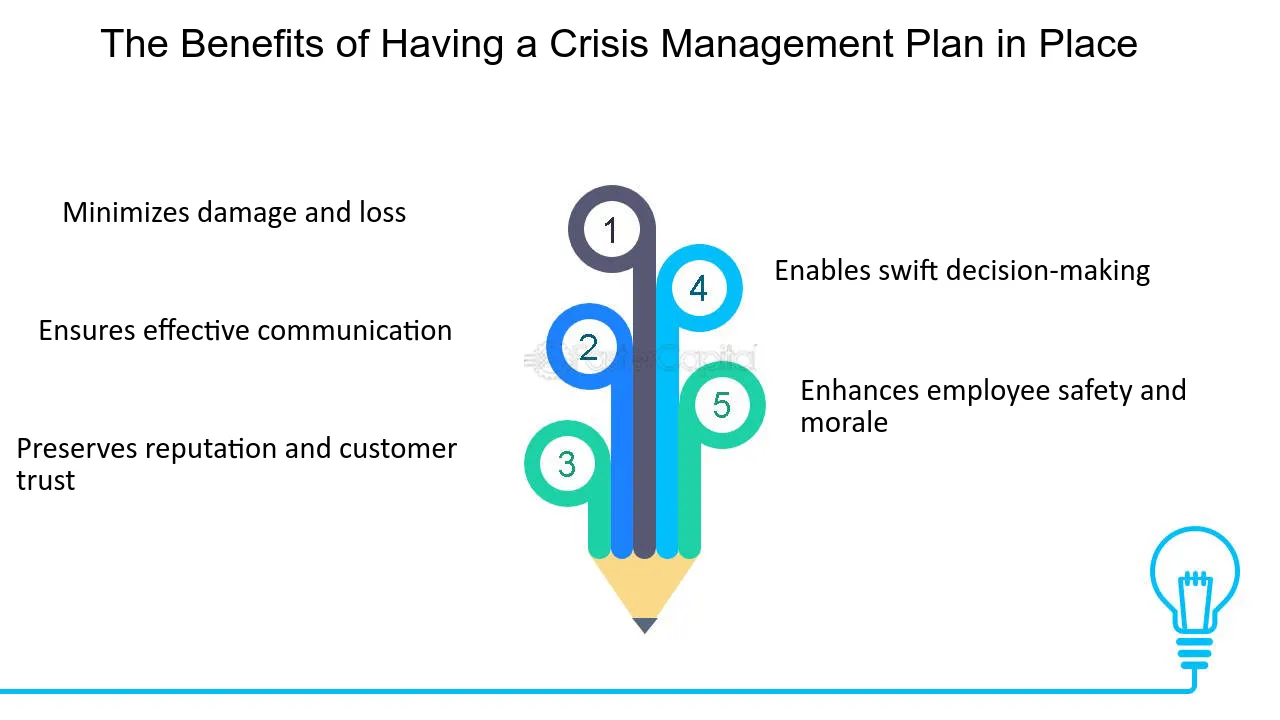
Furthermore, crisis situations necessitate strong leadership, good decision-making, and effective team coordination.
Key Steps in Crisis Management
Preparation:
- Conducting risk assessments, scenario planning, and assembling a risk management team.
Response:
- Crafting timely and transparent messages, selecting effective communication channels, and prioritizing stakeholder engagement.
Recovery:
- Evaluating the crisis response, learning from the experience, and implementing preventive measures to avert future crises.
Best Practices and Strategies
Transparency and Authenticity:
- Openness, honesty, and transparency in communication build trust during turbulent times.
Adaptability and Flexibility:
- Agility in responses, considering various scenarios, and adjusting strategies as situations evolve.
Employee Engagement:
- Ensuring that employees are well-informed and aligned with risk communication efforts is vital.
Conclusion
Crisis management is more than just crisis response; it is also about protecting and enhancing a brand’s reputation. Proactive planning, clear communication, and continual learning are critical for navigating emergencies successfully.
A wealth of resources—from scholarly journals to industry whitepapers—offer insights into effective crisis management tactics in today’s digital age. The key, however, is not merely to have access to this information, but also to utilise it properly and deliberately.
Remember that the true test of crisis management is its application in the most challenging of circumstances. Businesses can emerge from crises not only uninjured, but frequently stronger than before, by combining proactive plans, open communication, and a willingness to adapt.